Open-Air Virtual Museum: VR Software for Immersive Art
Maedcore develops the software for the world's first open-air virtual museum: 9 VR worlds, Meta Quest and 6 international artists at CAEaCLAVELES, Asturias.
Written by Maedcore
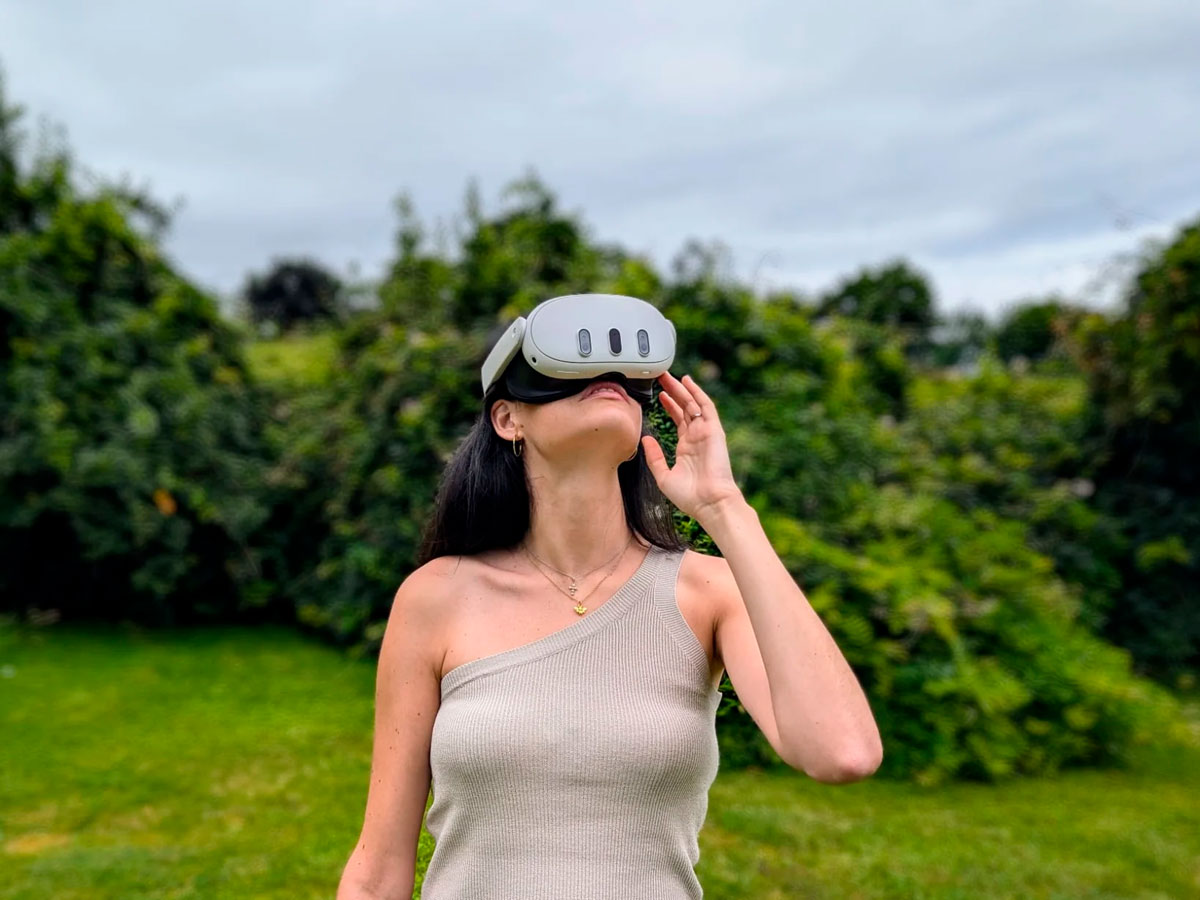
Open-Air Virtual Museum: How Maedcore Brought Nine Metaverses to an Asturian Garden
Executive summary: Maedcore was the startup responsible for developing and designing the software for the world’s first open-air virtual museum, located in the gardens of CAEaCLAVELES in Asturias — a space awarded the Asturias Architecture Prize. The project, promoted by artist Emma Fernández Granada, allows visitors to explore nine virtual worlds created by six international artists using Meta Quest virtual reality headsets. Maedcore managed the complete technical architecture: from optimising VR environments to the user interface and support during the exhibition.
The Project: Art, Technology and Nature in One Space
The virtual museum was born from a question: can digital art democratise access to culture by eliminating geographical barriers? The answer was to build a space where anyone, regardless of their technological knowledge, can put on a virtual reality headset and instantly travel to worlds created by artists from Canada, China, London, Seville, Germany and Madrid.
The location in the gardens of CAEaCLAVELES — an award-winning architectural gem in Asturias — added a unique dimension: the contrast between the protected natural environment and the digital universes accessible through the VR headsets.
Objective: Democratising Art
The virtual museum responds to a clear social objective: to eliminate the geographical, economic and physical barriers that limit access to contemporary art. Its founding principles:
- Universal access to art without the need to travel to major cities or elite museums.
- Active participation: VR experiences are immersive and interactive, not passive.
- Emotional connection: virtual reality enhances the artistic experience beyond what contemplating a physical work allows.
- Inclusion: the digital format allows experiences to be adapted for different abilities and visitor profiles.
The Nine Worlds: International Art in VR
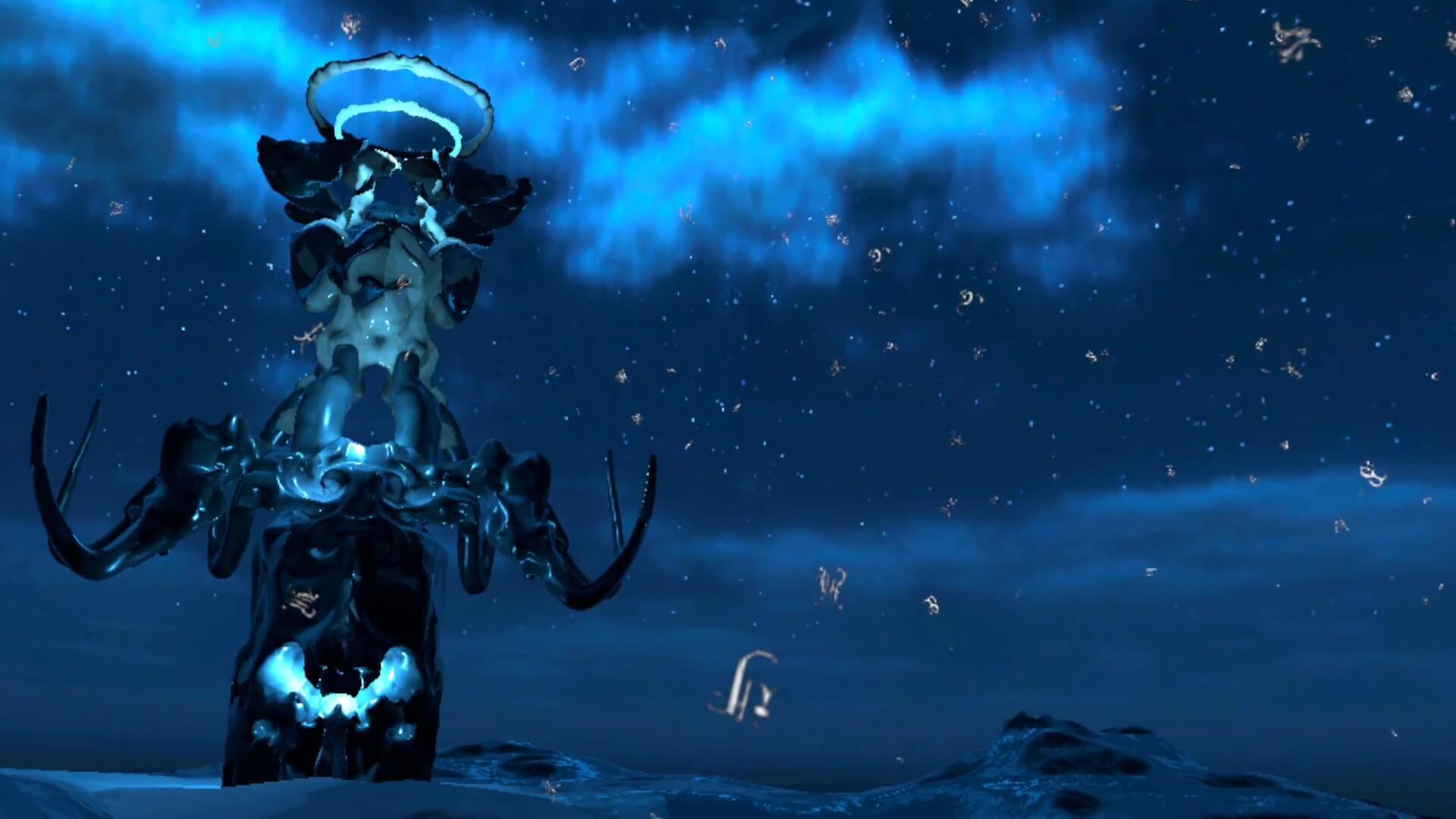
Six international artists created nine unique virtual worlds for the exhibition:
- Marisa Müsing (Canada) — Stuck in the Motherboard
- Wendi Yan (China) — Tale of Mammoth Goddess
- Josep Pierce (London) — Scale
- Cachito Vallés (Seville) — Panopticon
- Machina Infinitum (Germany) — Amazing Koch Fractal Inside a Huge Dome
- LamWorld (Madrid) — Margarita Electrónica
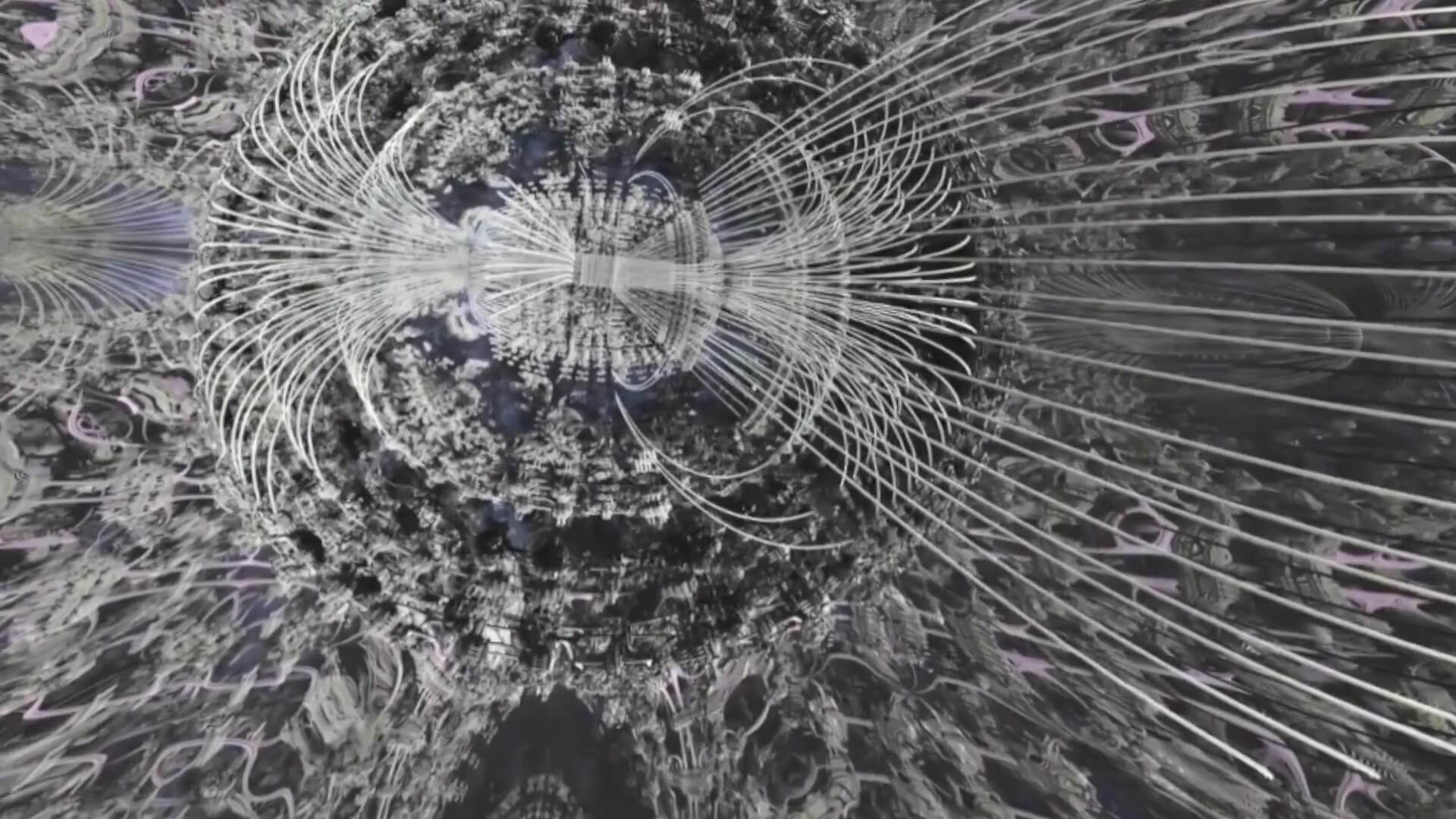
Each work tells the artistic story of its creator — their sources of inspiration, their culture, their vision of the digital world — allowing the visitor to immerse themselves in personal and universal narratives through art.
Maedcore’s Technical Role
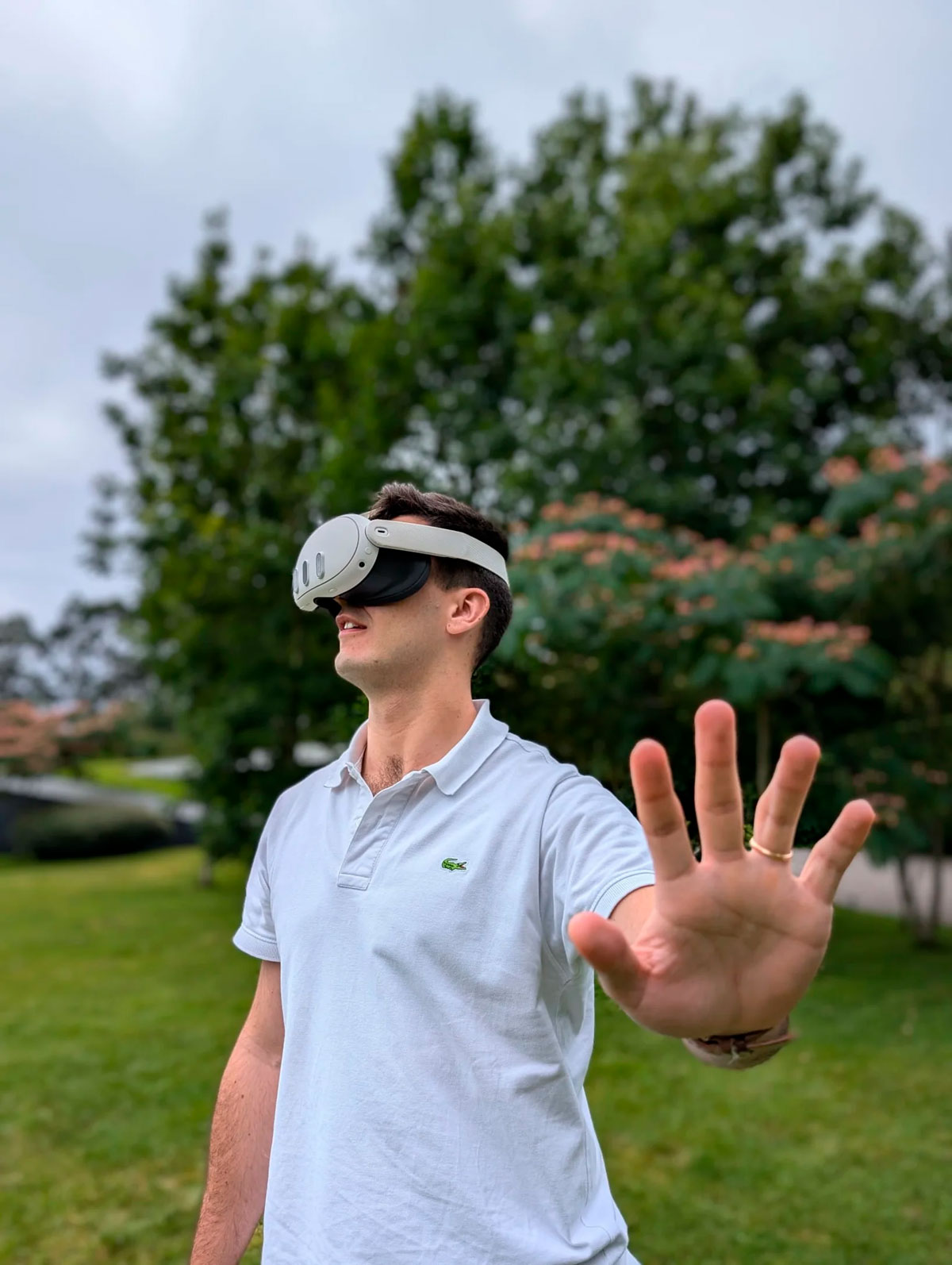
Maedcore assumed full technical responsibility for the project:
Experience software development: architecture of the VR application managing navigation between the nine metaverses, transitions between worlds and each visitor’s session.
Meta Quest optimisation: the environments created by the artists were optimised to run smoothly on standalone hardware (Meta Quest), with no need for an external PC.
User interface design: intuitive navigation designed for visitors with no prior VR experience. The goal: for anyone, from a child to an elderly person, to be able to explore the worlds without assistance.
Technical support during the exhibition: on-site presence and real-time support during public opening days.
The Multidisciplinary Team
The project was made possible through the collaboration of:
- Emma Fernández Granada (Gijón) — promoter, developer and sponsor of the artistic initiative.
- Álvaro Gómez-Sellés (Oviedo) — external advisor, architect and lecturer at RISD (USA) and ELISAVA.
- Maedcore (Madrid) — software development and design.
- Ignacio Revenga (Madrid/USA) — architect, founder of Estudio Topomorpho and designer of Pabellón 024.
Commercial Applications of Virtual Museum Technology
The technology developed for this project has direct applications in:
- Museums and cultural institutions wanting to expand their audience beyond their physical walls.
- Brands and companies wanting to create immersive product experiences or brand storytelling.
- Property developers wanting to showcase developments before they exist.
- Training companies needing virtual environments for employee training.
- Tourism wanting to offer pre-visit experiences or virtual alternatives for those who cannot travel.
Technologies Used
Project developed with: Metaverse — Augmented Reality — Virtual Reality
Want to Create Your Own Immersive Experience?
The virtual museum demonstrates that virtual reality can be used to connect people with experiences that would otherwise be inaccessible. Request a quote with no commitment and let’s explore together what type of immersive experience can transform your project, institution or company.
Request VR Experience Quote | View Metaverse Projects | Virtual Reality Services
Ready to transform your company?
Book a free 30-minute meeting with an engineer.