AI Robotic Dog: Autonomous Art Critique with Computer Vision
Maedcore builds an AI robot dog with computer vision that analyses artworks and generates autonomous critiques. Original 3D design, printing and AI code.
Written by Maedcore
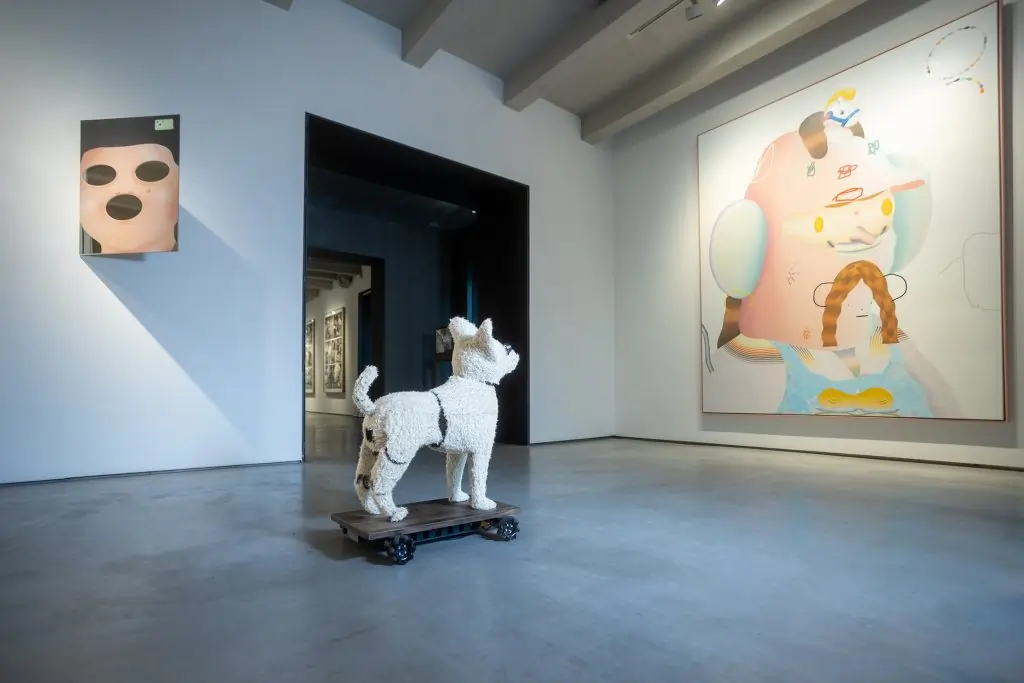
AI Robotic Dog: The Robot That Generates Art Critiques
Executive summary: Maedcore designed, manufactured and integrated a complete robotic dog equipped with artificial intelligence, computer vision cameras and voice synthesis systems, capable of autonomously analysing artworks and generating objective critiques. The project spans from 3D modelling of the body to the integration of the computer vision and NLP code, the wiring of 15 servos, a thermal printer, speaker and microphone, and the final coating with fur. A project that raises a philosophical reflection on the limits of artificial intelligence in purely human domains.
The Concept: Can a Machine Critique Art?
Art is one of the most profoundly human forms of expression. Art criticism even more so: it requires cultural context, emotion, intuition and subjectivity. What happens when a robot is trained to carry out that task?
Maedcore’s robotic dog is not just an engineering exercise — it is a philosophical provocation. Some see it as a valuable tool that can evaluate art with objectivity and without cultural bias. Others consider it a threat to the inherent subjectivity of human artistic judgement. Either way, the debate it generates is, in itself, a form of art.
Manufacturing Story: From 3D Design to Physical Dog
Stage 1 — 3D Design and Computer Modelling
The process began with the conceptual definition of the design in a CAD environment. Two critical elements were determined in this phase:
3D model concept: overall appearance, form and movements to obtain a first vision of the final design.
Detailed 3D model: complete list of required electronic components, positioning of each one inside the body to ensure fit, assembly planning and future maintenance access, and consideration of internal component cooling.
Stage 2 — 3D Printing and Head Assembly
The complete body of the robotic dog was divided into 22 parts for 3D printing. The largest parts required up to 36 hours of printing each.
The head assembly integrated:
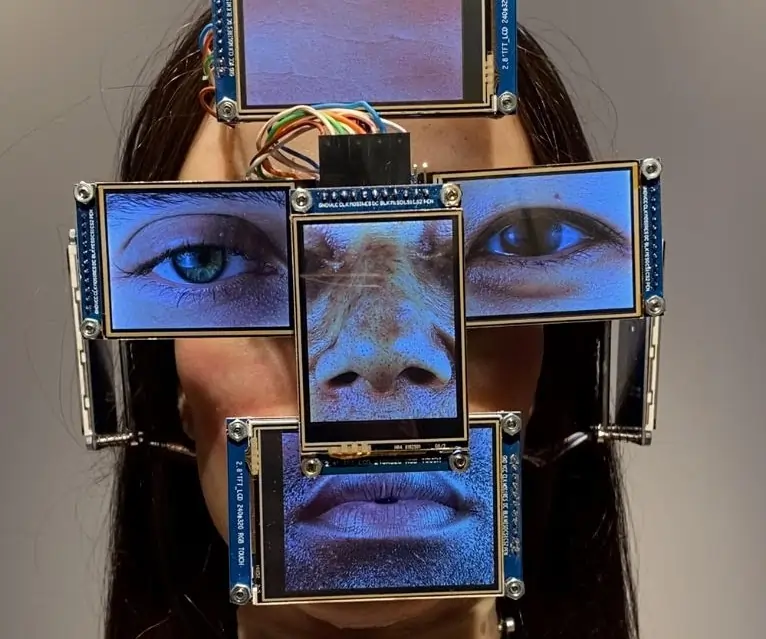
- Wide-angle camera — to obtain a complete view of the space or museum and identify available artworks.
- Autofocus camera — to capture high-quality, detailed images of each selected work.
- Speaker (in the snout) — to express art critiques audibly.
- Microphone — to listen to the environment and interact with spectators.
Stage 3 — Electronics, Wiring and Body Assembly
Before closing the body, complete wiring of all components was carried out:
- Wide-angle and autofocus cameras.
- Central processing computer.
- Internal cooling fan.
- Speaker and microphone.
- 4 wheels for autonomous movement.
- Mini thermal printer to print critiques on paper.
- 15 servos controlling the movement of the legs, tail and head.
- Communication antenna.
Stage 4 — AI Code Integration and Fur Coating
Artificial intelligence code integration:
The AI system operates in two sequential modes:
-
Artwork detection: the wide-angle camera feeds a computer vision model that identifies art pieces in the space. Once the target work is identified, the system transmits coordinates to the movement system to position the dog in front of it.
-
Analysis and critique: with the dog positioned, the autofocus camera captures a high-quality image. This image is processed by the AI model, which generates the artistic critique, transmitted to the speaker for oral communication and to the thermal printer for paper delivery.
Fur coating: once the software was integrated and tested, the robotic dog was manually covered with fur to complete its physical appearance.
The Debate: Valuable Tool or Attack on Creativity?
Arguments in Favour of Robotic Critique
- Objectivity and impartiality: AI can mitigate unconscious biases and cultural prejudices that influence human perception.
- Processing capacity: it can analyse and correlate information from thousands of works and styles simultaneously.
- Consistency: the same work receives the same technical evaluation at any time.
- Accessibility: democratises art criticism for audiences without specialist training.
Arguments Against
- Lack of emotional dimension: art is human expression loaded with emotion, intuition and subjectivity that AI cannot fully comprehend.
- Uniqueness of each work: AI evaluates based on the patterns it was trained on, limiting its ability to appreciate what is genuinely original.
- Training data bias: if the training data is biased, the evaluation will be too.
- Loss of tradition: art criticism is a human practice passed down over centuries.
The decision on whether this technology adds to or subtracts from the art world depends, inevitably, on individual perspective — and that, in itself, is an artistic reflection.
Technologies Used
Project developed with: Mechatronics — Robotics — Artificial Intelligence — Embedded Systems — Computer Vision — NLP
Do You Have a Robotics or AI Project You Want to Make Real?
The robotic dog demonstrates that Maedcore can take on high-complexity robotics projects from start to finish — from 3D design to AI code integration. Tell us your idea and we will give you a no-commitment quote.
Request Robotics Quote | View Mechatronics Projects | Robotics Services
Ready to transform your company?
Book a free 30-minute meeting with an engineer.